
Is it illegal to leave your dog in the car? Learn about state hot car statutes, Good Samaritan laws, right-to-rescue rules, and the severe penalties for pet owners.
While many dogs enjoy spending the vast majority of their time indoors with their human families, providing a dedicated outdoor shelter is crucial for breeds that require significant yard time for exercise, mental stimulation, or guardian duties. A properly constructed dog house is not merely a structural afterthought; it is a behavioral safety asset that leverages a canine’s natural denning instinct, offering security, stability, and essential protection from volatile environmental stressors.
I once worked with a client whose Husky mix, Luna, staunchly refused to use the expensive, insulated dog house they had purchased for her. Luna would pacify herself by pacing the perimeter and whining, leading her owners to believe she suffered from isolation distress. After a detailed behavioral assessment, we discovered the issue was actually Single-Event Negative Association. During her first habituation session, a strong gust of wind had slammed the heavy door flap, frightening her. Luna viewed the structure not as a sanctuary, but as a trap. By removing the door flap and using positive reinforcement to rebuild her confidence, Luna eventually reclaimed her outdoor refuge.
The foundational step in selecting the ideal outdoor shelter involves evaluating durability, thermal efficiency, and long-term hygiene metrics.
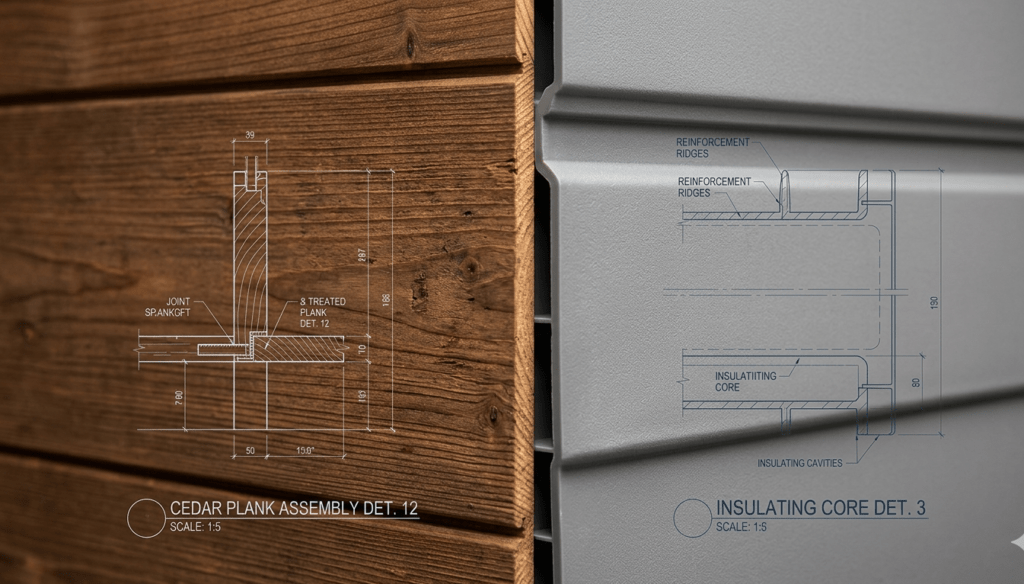
1. Traditional Wooden Dog Houses – wood remains a premier choice due to its natural, high-performing insulation properties, effectively keeping the interior cool in the summer and warm in the winter. However, unsealed wood can absorb moisture, leading to mold growth and pest infestations; therefore, ensure the structure utilizes weather-resistant cedar or treated pine, keeping all chemically treated materials away from direct canine contact to prevent toxicity.
2. Modern Plastic and Composite Dog Houses – these shelters are incredibly lightweight, easy to clean, and virtually maintenance-free, though they often lag behind wood in terms of inherent thermal regulation. If choosing plastic, prioritize models with double-walled construction for added insulation and built-in ventilation ridges to maintain proper Olfactory Neutralization, preventing an unhealthy buildup of stale dander and waste scents that can deter a sensitive dog from denning.
A dog house will only be utilized if the dog perceives it as a secure, functional den that integrates with their desire for territorial observation.
1. Locating for Strategic Observation – dogs are instinctually driven to monitor their environment. A house placed in a remote corner of the yard may increase anxiety by making the dog feel isolated. Place the house where your pet can maintain a line of sight to the main family patio or backdoor, as this cooperative inclusion is similar to the social unity drives explained in our breakdown on why do dogs like car rides, ensuring they feel safe and connected to the main pack while they rest.
2. Sizing for the Denning Instinct – the primary structural pitfall is choosing a house that is too large. For optimal heat retention, the structure should only be big enough for the dog to stand, turn around completely, and lie down comfortably. A house that is too spacious will bleed radiant body heat during cold nights, making it functionally useless for canine thermoregulation.
Transforming a basic structure into a functional, year-round retreat requires environmental management and a careful, cooperative training protocol.
1. Habituation and Cooperative Boundary Frameworks – never force your dog into a new house, as this will trigger intense avoidance behavior. Instead, use high-value rewards, favorite toys, or familiar bedding to encourage them to explore the entrance voluntarily. Building this cooperative deference requires patience, utilizing the same positive-reinforcement redirection methods found in our guide on how to stop a puppy from biting to build confidence and positive association.
2. Accessorizing for Thermal Stability – functional upgrades, such as heated orthopedic mats or heavy-duty vinyl door flaps, can significantly extend the seasonal utility of an outdoor shelter. If you are searching for high-utility dog dad gifts, practical, durability-focused additions for the dog house, such as biometric tracking compatibility or self-filling water systems, are often more appreciated by the modern pet father than standard luxury accessories.
Regardless of the material, any dog house intended for year-round use requires proper thermal mitigation. Passive insulation—such as dense foam paneling or recycled reflective barrier tech—is essential to stabilize the internal microclimate against extreme temperature shifts. For houses without built-in insulation, ensure you line the floor with non-absorbent bedding (like cedar chips or straw, not blankets which trap moisture) to create a barrier against ground frost, as ground-contact cold transfer is the primary driver of canine hypothermia in outdoor environments.
Insulation is mandatory if your regional climate experiences temperatures below 10°C (50°F) or above 30°C (86°F), or if you own a breed with low body fat and a thin coat, such as a Greyhound or Vizsla. These breeds cannot effectively thermoregulate in extreme conditions and must have a properly insulated den to prevent heat stress or hypothermia.
No. Blankets and plush bedding absorb atmospheric moisture, humidity, and dander, turning them into cold, damp, and unhygienic piles that pull heat away from your dog’s body rather than retaining it. Use dense, non-absorbent straw, cedar shavings, or specialized moisture-wicking outdoor heated mats for safe, effective thermal stability.
A dog house should be viewed as a resting shelter, not a high-stress detention center. Confining a dog to a small structure for excessive hours can lead to Barrier Frustration, stereotypies (repetitive behaviors), and acute behavioral fallout. For cooperative containment boundaries, utilize the structured impulse control frameworks found in our guides on positive reinforcement rather than physical force.
Base your decision on your maintenance priorities and local weather. If thermal insulation and structural longevity are primary, go with treated cedar wood. If ease of sanitation, lightweight mobility, and budget are paramount, high-quality composite plastic with passive ventilation is the superior choice for modern backyard environments.
Finding the best dog house for your dog is a high-reward investment in their outdoor comfort, physical safety, and behavioral stability. By systematically analyzing construction materials, locating the structure to maximize social observation, and utilizing a patient, cooperative habituation process, you can transform a simple structural asset into a vital den sanctuary that meets your canine companion’s primal need for shelter. For authoritative, scientifically verified data on canine thermal boundaries and den behavior requirements, explore the American College of Veterinary Behaviorists (ACVB) resource database.