
Is it illegal to leave your dog in the car? Learn about state hot car statutes, Good Samaritan laws, right-to-rescue rules, and the severe penalties for pet owners.
Taking your canine companion along for a bicycle ride is a fantastic way to provide mental enrichment and share outdoor adventures. Whether you commute through busy city streets or ride along quiet countryside trails, learning how to safely carry a dog on a bike requires choosing the right gear based on your dog’s size, weight, and temperament. From front-mounted baskets to heavy-duty pull-behind trailers, securing your dog correctly ensures a smooth, balanced ride while protecting both the rider and the pet from sudden spills.
I once worked with a cyclist who wanted to train his energetic Jack Russell Terrier, Milo, to ride along on his daily morning commutes. On their very first attempt using an unsecured, standard front bicycle basket, Milo spotted a squirrel, panicked, and attempted to leap out while the bike was in motion. The sudden shift in weight caused the handlebars to twist, resulting in a minor crash. Fortunately, neither was seriously hurt, but Milo developed an immediate fear of the bicycle. By switching to a crash-secure pet basket with an integrated safety tether and using patient, incremental training, Milo learned to love the ride, eventually sitting calmly as a perfect passenger.
Selecting the safest method to transport your dog depends heavily on your pet’s physical dimensions and your bicycle’s weight capacity.
1. Front and Rear Mounted Pet Baskets ($30 – $80) – baskets are the ideal option for toy and small dog breeds weighing under 20 lbs. A front-mounted basket allows you to keep a constant eye on your pet, though it does slightly affect your steering mechanics. For dogs on the heavier side of the small spectrum (15 to 25 lbs), a rear-rack mounted basket provides much better Center-of-Gravity Dynamics, keeping your handlebars light and making it easier to balance during sharp turns.
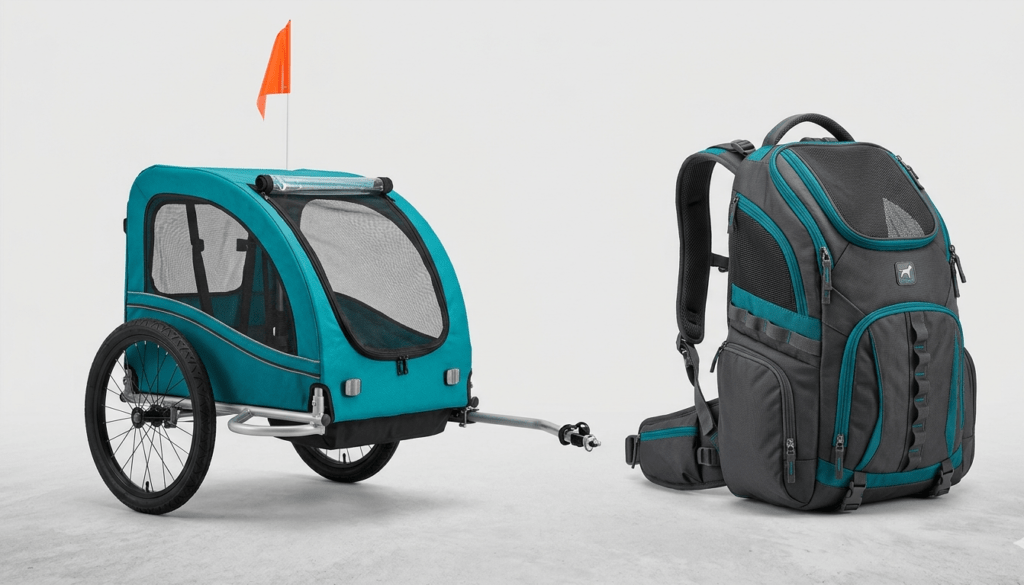
2. Specialized K9 Sports Backpacks ($40 – $150) – for medium-sized dogs up to 40 lbs, a forward-facing, ergonomically designed dog carrier backpack is a highly secure option. These packs keep your dog flushed against your spine, eliminating unexpected shifts in balance while allowing your dog to look over your shoulder. The close physical contact can be highly comforting to dogs, mimicking the cozy, secure boundaries they enjoy when resting inside insulated dog houses for dogs in the backyard.
3. Heavy-Duty Pull-Behind Pet Trailers ($120 – $300+) – if you handle a large breed weighing over 40 lbs, a low-profile tow-behind pet trailer is the only safe option. These trailers feature a low center of gravity, rugged shock-absorption suspensions, and universal hitches that prevent the trailer from tipping over even if your bicycle falls. Gifting a premium trailer setup is an incredible idea if you are searching for high-utility best dog dad gifts for an active, cycling-focused pet father.
A dog cannot simply be placed into a moving bicycle and expected to remain calm; they must undergo systematic training to prevent panic.
1. Stationary Bike Introduction – before moving an inch, lean your bicycle securely against a wall and place your dog inside their basket, backpack, or trailer. Keep the sessions incredibly short (1 to 2 minutes) and shower them with high-value treats to build a strong, positive association with the equipment. You want them to view the bike as a rolling sensory rewarding station, tapping into the same joyful pack-travel instincts that explain why do dogs like car rides so intensely.
2. Rolling and Engine-Off Training – once your dog is relaxed while stationary, walk alongside the bicycle while pushing it slowly by hand down a quiet driveway or sidewalk. This step allows your pet to acclimate to the rolling motion, wheel vibrations, and mechanical clicking sounds without crossing their Desensitization Thresholds. If they wine or attempt to escape, immediately stop, lower the criteria, and reward calm behavior before advancing to actual riding.
Riding with a dog adds significant weight and changes how your bicycle responds to braking, accelerating, and road hazards.
1. Adjusting Your Braking Distances – carrying an extra 15 to 50 lbs of canine weight greatly increases your stopping distance. You must moderate your speed, approach intersections with extreme caution, and apply your brakes early and smoothly to avoid throwing your dog forward. Avoid sudden swerves or rapid accelerations, as unexpected shifts in weight can cause your tires to lose traction.
2. Managing Pavement Heat and Hydration – on warm days, remember that your dog is exposed to direct sunlight and radiant heat rising from the asphalt. Always pack a portable canine water bottle and take frequent cooling breaks in the shade. Avoid riding during peak afternoon heat altogether to protect your pet from heat exhaustion and dehydration, keeping their physical safety your absolute highest priority.
Never place a dog into a bike basket or trailer without securing them via an adjustable, short safety tether attached strictly to a back-clip harness. Under no circumstances should you ever attach a bicycle safety tether to a standard neck collar. A sudden bump in the road or an unexpected braking event can launch the dog forward, causing fatal cervical spine trauma or strangulation if they are secured by the neck.
No, holding a standard leash in your hand or wrapping it around your handlebars while riding is incredibly dangerous. If your dog spots a small animal or suddenly bolts in the opposite direction, they can instantly yank the handlebars out of your grip, causing a severe, high-speed crash. If you want your dog to run alongside your bike, use a specialized, frame-mounted hands-free bike leash that utilizes internal springs to absorb pulling forces safely below your seat post.
Active signs of acute situational anxiety and distress include excessive lip-licking, heavy yawning, constant whining, a tucked tail, trembling, or attempting to climb onto your shoulders. If your dog exhibits these panic symptoms, immediately stop the ride, assist them out of the carrier, and return to foundational stationary training to protect their emotional welfare.
Front baskets are fantastic for toy breeds under 12 lbs because they allow you to monitor your dog’s expressions and comfort level easily. However, for dogs between 12 and 25 lbs, a rear basket is much safer. A heavier dog in a front basket makes steering incredibly heavy and sluggish, increasing the risk of tipping over during slow, tight maneuvers.
While helmets are generally unnecessary unless riding in extreme terrain, veterinary ophthalmologists highly recommend protective dog goggles (like Doggles) if your dog rides in a front basket or backpack. At cycling speeds, dust particles, flying insects, and low-hanging tree branches can strike your dog’s eyes, causing severe corneal scratches or impact trauma.
Learning how to carry a dog on a bike safely opens up a wonderful world of outdoor bonding and physical enrichment for both you and your pet. By matching your transport gear to your dog’s exact weight, utilizing a secure harness-tether system, and practicing patient desensitization training, you can ensure every cycling excursion is safe and stress-free. For authoritative resources on pet travel gear safety certifications and active canine lifestyle tips, consult the International Association of Veterinary Canine Sports Medicine (IAVCSM) guide.