
Is it illegal to leave your dog in the car? Learn about state hot car statutes, Good Samaritan laws, right-to-rescue rules, and the severe penalties for pet owners.
When a canine companion develops a sudden rash, hot spot, or minor scrape, pet owners frequently look through their medicine cabinets for a quick soothing agent. Because Sudocrem is a household staple trusted for treating human diaper rash and eczema, the question “can you put sudocrem on a dog” is incredibly common. The definitive answer from veterinary toxicologists is no, you should not put Sudocrem on a dog because it contains ingredients that are highly toxic to canines if ingested. While it may soothe human skin, a dog’s instinct to lick their wounds makes this cream a severe poisoning hazard.
I once assisted a family whose curious Beagle, Oliver, had developed a raw, irritated patch of skin on his lower abdomen from a brush allergy. Hoping to relieve his scratching, his owner applied a generous layer of Sudocrem to the area. Within an hour, Oliver had licked the entire application clean, resulting in acute vomiting, severe lethargy, and a frantic midnight trip to the emergency veterinary clinic. Oliver required aggressive fluid therapy and active charcoal administration to safely flush the heavy metals from his system, proving that even a small amount of human medication can trigger an immediate toxic crisis.
The primary danger of using this specific antiseptic healing cream on pets lies within its core active ingredient profile.
1. Zinc Oxide Dermatotoxicosis Risks – Sudocrem contains a very high concentration of zinc oxide, a heavy metal compound that is perfectly safe for intact human skin but highly destructive to the canine internal physiology. When a dog licks the cream off their skin, the zinc enters the stomach, where the acidic gastric juices cause rapid Gastrointestinal Desiccation, damaging the stomach lining. If absorbed into the bloodstream in large quantities, it causes a life-threatening condition known as hemolytic anemia, where the body prematurely destroys its own red blood cells.
2. Additional Toxic Chemical Compounds – beyond zinc, this human ointment contains benzyl alcohol and BHA (butylated hydroxyanisole). While these chemicals function effectively as preservatives and antiseptics for humans, they can cause acute localized skin reactions in hypersensitive dogs or contribute to systemic chemical toxicity if swallowed routinely, making the product completely unsuitable for canine first aid kits.
If your dog has accidentally ingested Sudocrem, you must monitor them closely for immediate systemic side effects that indicate heavy metal poisoning.
1. Early Gastrointestinal Distress Symptoms – the initial indicators of zinc toxicity usually manifest within 2 to 4 hours of oral exposure. Owners will notice acute vomiting (often tinged with blood), severe diarrhea, a complete loss of appetite, and intense abdominal pain where the dog whines when touched. If you notice these distress signals while traveling, perhaps during an outdoor excursion where you carry dog bike equipment, immediately stop your activity and map the nearest emergency animal hospital.
2. Advanced Systemic and Hemolytic Signs – if the toxicity progresses without medical treatment, the destruction of red blood cells becomes severe. The dog’s gums will transition from a healthy pink to a pale white or deep yellow color (jaundice). They will exhibit extreme lethargy, an elevated heart rate, dark orange or red-tinted urine, and sudden collapse due to the lack of oxygen circulating through their vital organs, requiring immediate veterinary intervention.
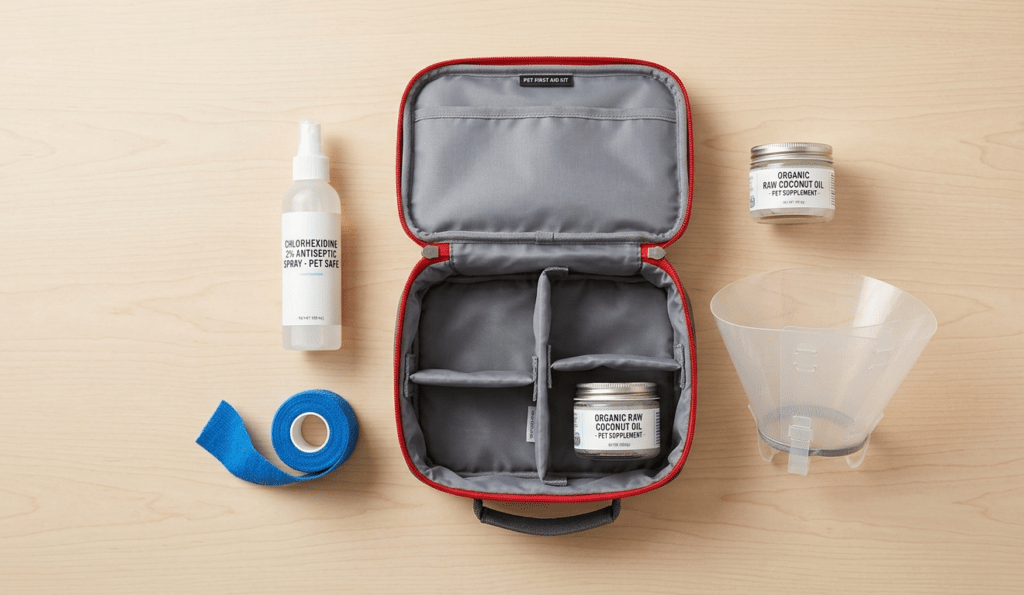
Treating your dog’s minor cuts, rashes, and scrapes does not require risking their health with human medications when safe, veterinary-formulated options are readily available.
1. Veterinary-Formulated Antiseptic Sprays – look for topical treatments containing Chlorhexidine or Microcin (hypochlorous acid) as their main active ingredients. These compounds are highly effective at neutralizing bacteria and fungal spores on contact, are completely non-toxic if licked in small amounts, and do not cause internal heavy metal accumulation. Keeping a bottle of veterinary antiseptic spray handy is a fantastic idea for any active owner, making it a highly practical option if you are putting together customized packages like premium dog mom gifts for a friend.
2. Natural Soothing and Barrier Solutions – for mild dryness or superficial skin chafing, pure organic coconut oil or unrefined shea butter can act as safe, natural moisture barriers. While you still want to discourage excessive licking to allow the skin to heal, accidental ingestion of these natural fats will not trigger a toxic health crisis. However, if your pet is showing extreme panic or hiding due to severe skin pain, it is vital to assess if secondary environmental stressors are at play, as detailed in our guide on why a pet might be acting strangely or experiencing a sudden panic response.
3. Preventing Travel Exposure Hazards – if you routinely travel with first aid gear in your vehicle, ensure all human medications are kept inside locked, chew-proof containers. Leaving a tube of medicated cream loose on a car seat can lead to accidental chewing, which is an easily avoidable hazard. To learn more about structuring a secure, stress-free vehicle environment for your pet, explore our comprehensive safety guide on is it illegal to leave your dog in the car to eliminate both thermal and chemical travel dangers entirely.
The fundamental rule of pet topicals is that if a product is not explicitly labeled as safe for human ingestion, it cannot be safely applied to a dog. Dogs lack the metabolic pathways to safely process many synthetic human dermatological compounds, and their compulsive grooming habits ensure that any topical cream applied to their coat or skin will inevitably end up inside their digestive tract. If an emergency requires a temporary topical application, the site must be immediately blocked using an Elizabethan collar (e-collar) or a recovery bodysuit to prevent oral contact.
A single, minor lick from a human’s skin is unlikely to cause severe zinc poisoning in a medium or large dog, though it may cause a mild, temporary upset stomach. Give your dog plenty of fresh water, monitor them closely for any signs of vomiting or diarrhea over the next 24 hours, and refrain from using the cream around your pet in the future. If a toy breed or small puppy ingests any amount, contact a pet poison helpline immediately.
Neosporin (triple antibiotic ointment) is technically safer than Sudocrem because it does not contain zinc oxide. However, it should still be used with extreme caution and only in tiny, well-rubbed-in quantities because ingestion of the active antibiotics can severely disrupt your dog’s delicate gut microbiome, leading to intense diarrhea and vomiting.
Yes, if left untreated, severe zinc poisoning can cause permanent, irreversible damage to your dog’s kidneys and liver due to the massive volume of damaged red blood cells filtering through their system. Early diagnosis is critical; when caught early, veterinarians can administer chelating agents to bind the heavy metals and prevent long-term organ failure.
No, human baby wipes are formulated for the specific pH balance of human skin, which is significantly more acidic than a dog’s skin. Using human wipes routinely can strip away your dog’s natural lipid skin barrier, leading to increased dryness, severe secondary bacterial infections, and worsened irritation. Always use alcohol-free, pet-specific grooming wipes.
While Sudocrem is an exceptional healing product for human skin care, its high zinc oxide content makes it a dangerous toxic hazard for our canine companions. By substituting risky human medications with pet-safe chlorhexidine sprays, protecting wounds with physical barriers like recovery cones, and recognizing the early signs of heavy metal ingestion, you can protect your dog from accidental poisoning. For authoritative, emergency toxicological assistance and an extensive database of household substances harmful to pets, consult the ASPCA Animal Poison Control Center (APCC) emergency registry.