
Is your cat keeping you awake? Discover Why Do Cats Meow at Night, from natural instincts to health concerns, and learn expert, effective solutions to stop night-crying and improve your sleep on PetBehaviors.
It’s 3 AM, and your cat is putting on a full concert. If you’re asking, “Why do cats meow at night?” you are not alone. This behavior, sometimes called “night-crying,” can be disruptive, but it’s always a form of communication. At PetBehaviors, we help you interpret what your cat is trying to tell you so you both can get a restful night.
How do you know if it’s just “bad behavior” or true anxiety? Look for these signs of dog anxiety:
Destructive chewing near doors or windows.
Excessive barking or howling only when you are away.
Pacing in a specific pattern.
“Accidents” in the house, even if they are potty trained.
Before we dive into problems, remember that cats are naturally crepuscular, meaning they are most active during dawn and dusk. Their ancestors hunted at night. So, a bit of nocturnal energy is normal. However, excessive meowing is usually caused by one of these factors.
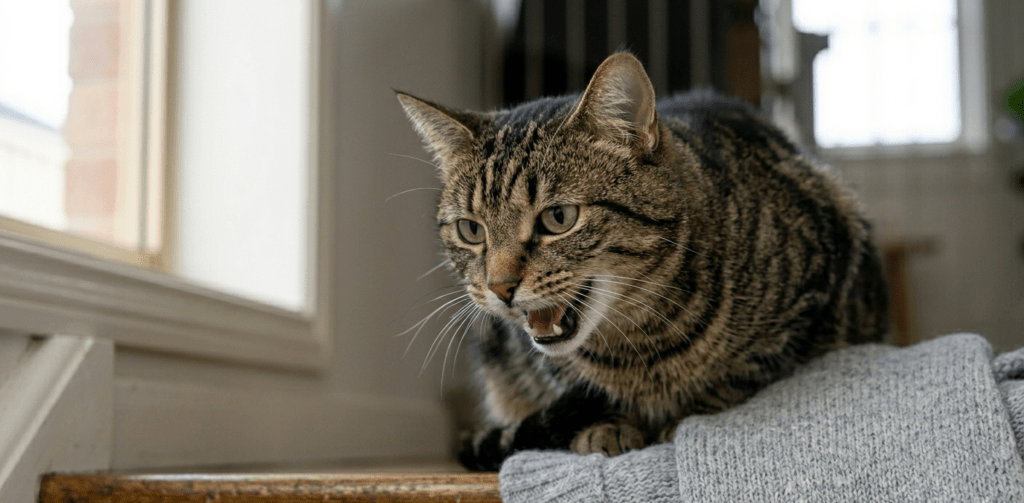
1. Boredom and Pent-Up Energy The #1 reason is often simple: your cat has slept all day and has too much energy. They meow to get your attention for playtime or treats.
2. Hunger or Thirst If your cat’s last meal was at 6 PM, they might genuinely be hungry by 2 AM. A meow is a demand for a snack.
3. Feline Night Anxiety or Fear Something outside (like another animal) or a change in the house might have scared them. Feline night anxiety can make a cat feel vulnerable in the dark.
4. Medical Pain or Discomfort A cat may meow loudly to express pain that they can’t show otherwise. If this behavior is sudden, a veterinary checkup is the first priority.
5. Cognitive Dysfunction (in Senior Cats) Similar to dementia in humans, older cats can develop senior cat cognitive dysfunction. They get disoriented and meow because they are confused and scared.
1. Establish a Pre-Bedtime Routine Increase cat enrichment during the day. Before you go to sleep, have a intense 15-minute interactive play session (using a feather wand) to burn off energy, followed by a meal. This mimics their natural “hunt-eat-sleep” cycle.
2. Use Calming Aids For anxious cats, calming aids for cats, such as pheromone diffusers or calming collars, can create a soothing environment and reduce nighttime stress.
3. Ignore the Behavior (If Healthy) If you are sure your cat is not in pain, hungry, or scared, and is just seeking attention, you must ignore them. If you get up even once, you teach them that meowing works.
Understanding why do cats meow at night is the first step. By combining patience, structured routine, and medical care, you can restore peace to your home. For more feline behavioral guides, visit PetBehaviors.com.