
Looking for the best cooling dog car seat? Discover the top-rated mesh and gel seats to protect your pup from car heatstroke and travel anxiety this summer.
Road trips and summer drives with your canine companion are staple bonding experiences for any pet parent. However, traveling during the hot summer months poses a significant, hidden danger to your dog’s physiological well-being. Because automobiles trap radiant heat rapidly, a standard plush pet bed can act like an insulator, causing your dog’s core body temperature to spike dangerously. Investing in a specialized cooling dog car seat isn’t just about luxury—it is a vital safety measure to prevent canine heat stress and heatstroke.
I remember consulting with a client whose French Bulldog, Bentley, loved going for car rides but would pant frantically, drool excessively, and whine the entire time he was in the back seat. His owners assumed he was just dealing with situational travel anxiety. However, because Frenchies are a brachycephalic (flat-faced) breed, Bentley was actually experiencing acute respiratory distress from overheating on the dense foam car seat. Once we switched his setup to an elevated, breathable cooling dog car seat, his heavy panting stopped completely, and he began curling up and sleeping peacefully during long drives.
Dogs do not sweat through their skin the way humans do; they primarily dissipate heat through panting and minor conductive heat transfer via their paw pads and bellies. Specialized cooling car seats utilize two core engineering methods to assist this biological process:
When a dog is uncomfortable or overheating in a vehicle, their physical reactions can easily be misidentified as a simple behavioral tantrum.
The Anxiety Misconception: If your dog starts pacing, whining, or keeping their tail tucked while in transit, do not immediately assume they are simply claustrophobic. As detailed in our diagnostic guide on why is my dog acting weird and scared, sudden physiological discomfort or rising core temperatures will shatter a dog’s emotional coping mechanisms, manifesting as severe, frantic panic.
The Salivation Warning: Keep a close eye on their muzzle. Heavy, thick drooling combined with wide-set panting is a primary clinical sign of heat exhaustion. Furthermore, the extreme dry-mouth and rapid salivation caused by overheating can suddenly amplify existing oral conditions, making it harder to get rid of dog bad breath due to the volatile compounds brewing in their dry oral cavity.
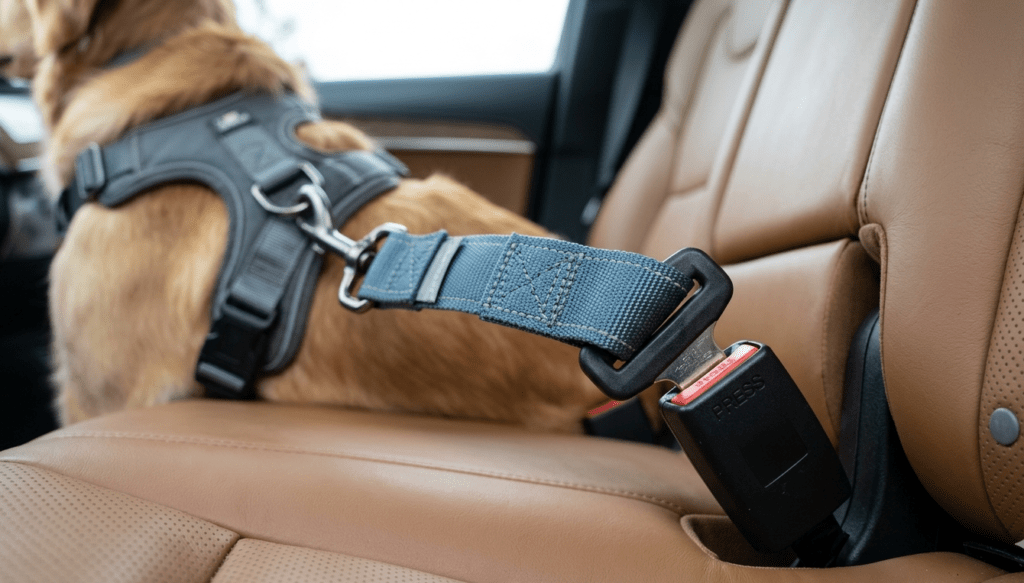
When sourcing the perfect cooling car seat for your pet, prioritize the following construction metrics to ensure maximum safety and durability:
Integrated Safety Tether Mechanisms: A cooling seat is useless if it doesn’t protect your dog during an accident. Ensure the seat features a heavy-duty nylon anchor strap that hooks directly into your vehicle’s seatbelt clicker or ISOFIX latch system, attaching exclusively to your dog’s walking harness (never to a collar).
Removable and Washable Membranes: Dogs bring dirt, mud, and loose dander into the car. Look for seats with a fully unzippable, machine-washable mesh cover so you can maintain strict hygiene standards inside your vehicle.
The Structural Setup: Introducing your dog to a new containment seat should never be rushed. Utilize the step-by-step cooperative boundary frameworks outlined in our in-home dog training tips to get your dog comfortable sitting, staying, and relaxing inside the booster seat inside your living room before ever strapping it into a moving vehicle.
A cooling dog car seat is designed to keep your dog comfortable while the vehicle’s air conditioning system is actively running. Never leave a dog unattended inside a parked vehicle, even for a few minutes. On a mild 24°C (75°F) day, the internal temperature of a parked car can rocket to an astronomical 40°C (104°F) in less than twenty minutes, creating a lethal greenhouse effect that no cooling gel or mesh liner can overcome.
Absolutely. Breeds like Pugs, French Bulldogs, and Shih Tzus suffer from Brachycephalic Airway Syndrome, meaning their compressed upper airways make panting highly inefficient. Because they cannot cool themselves effectively via respiration, they rely heavily on the external conductive cooling provided by mesh or gel seats to stay safe.
Most reputable pet manufacturers utilize non-toxic, veterinary-safe carboxymethyl cellulose (CMC) gel mixtures. However, if a dog punctures the lining and consumes a large quantity of the gel casing, it can cause severe gastrointestinal obstruction or osmotic diarrhea. If your dog is an aggressive chewer, opt for an elevated mesh fabric seat rather than a gel-filled cushion.
Gel pads cannot be placed inside a washing machine or dryer, as the intense agitation and heat will destroy the chemical polymer structures. Instead, wipe the surface down manually using a damp microfiber cloth, warm water, and a mild, pet-safe enzymatic disinfectant spray, then allow it to air-dry completely in the shade.
Yes. Elevated booster-style cooling seats that strap around the car’s headrests are generally engineered for small-to-medium breeds weighing under 15 to 20 kg (approx. 30–45 lbs). For large or giant breeds, it is safer to utilize a heavy-duty cooling gel mat laid flat across a secure back-seat hammock protector.
Upgrading your pet’s travel gear to a cooling dog car seat is an essential investment for anyone planning summer road trips or navigating hot climates. By optimizing airflow beneath their body, utilizing heat-disbursing gels, and combining the setup with proper harness restraint safety, you protect your dog from the invisible dangers of automotive heat stroke. For authoritative medical data on canine thermoregulation and heat sickness prevention, explore the American Veterinary Medical Association (AVMA) hot car safety guidelines.