Protect your furry friend’s health by choosing the best safe bedding! Discover the top-rated home options for small pets like hamsters and rabbits, learn the dangers of pine shavings, and create a cozy, healthy environment with PetBehaviors.
Choosing the right substrate for your small pet is one of the most critical decisions you will make for their long-term health. Whether you own a hamster, guinea pig, rabbit, or gerbil, their respiratory systems are incredibly delicate. Because pocket pets spend their entire lives with their noses inches away from their flooring, low-quality or toxic bedding can quickly lead to severe respiratory distress or liver toxicity.
I remember treating a client’s pet guinea pig named Barnaby who was suffering from chronic sneezing and crusty eyes. His owner was using aromatic cedar shavings because they liked the woodsy scent. What they didn’t realize was that the natural oils in the wood were irritating Barnaby’s lungs. Once we switched his cage setup to an unscented, dust-free paper bedding, his breathing cleared up completely within a week.
When evaluating bedding, your top priorities should be absorbency, dust control, and the absence of harmful aromatic chemicals.
Unscented Paper Bedding: High-quality, unbleached paper bedding is universally considered the safest option. It is highly absorbent, soft on fragile paws, and excellent for burrowing species like hamsters.
Aspen Wood Shavings: If you prefer wood, aspen is the only widely recommended raw wood shaving. Unlike other woods, aspen is a hardwood that does not emit toxic volatile oils.
Kiln-Dried Pine: While raw pine is dangerous, pine that has gone through a high-temperature kiln-drying process has had its harmful volatile oils evaporated, making it a budget-friendly, safe alternative.
Many commercial pet stores still sell substrates that can actively harm small animals. As a rule of thumb, if a bedding has a strong natural scent, it is likely unsafe.
Cedar Shavings: Cedar contains high levels of phenols—aromatic hydrocarbons that give the wood its distinct smell. These phenols are toxic; when inhaled consistently, they destroy the respiratory lining and alter liver enzymes in small rodents.
Fluffy “Cotton” Nesting Material: Often marketed for hamsters, these synthetic fibers do not dissolve if swallowed, leading to fatal intestinal blockages. They can also easily wrap around tiny limbs, cutting off circulation.
Cross-Species Hazards: Just as you must carefully monitor what goes into a dog’s environment—like recognizing when a dog is eating grass out of nutritional lack or boredom—you must be hyper-vigilant about the physical boundaries and materials inside a small pet’s enclosure.
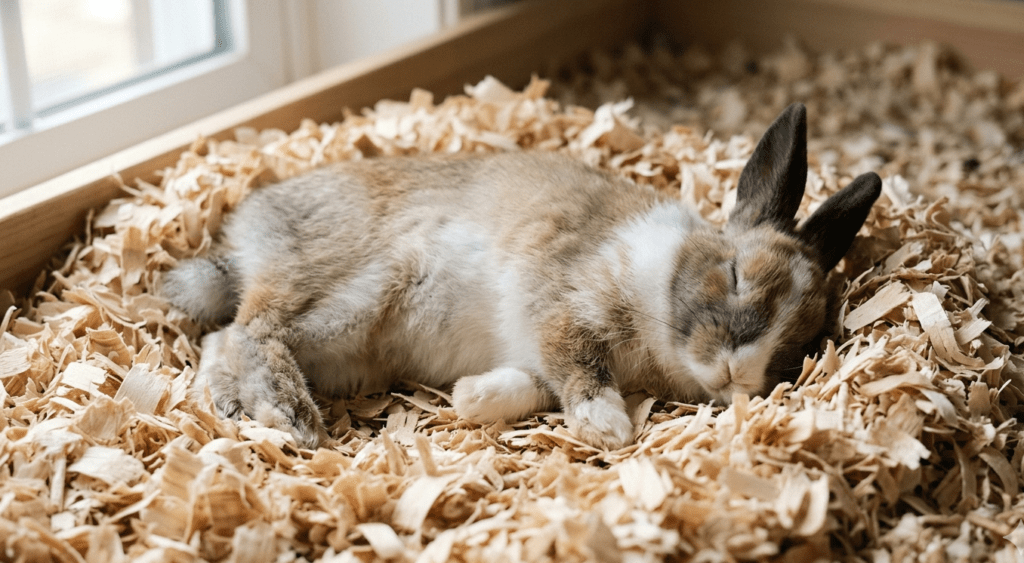
Because small pets are prey animals, they instinctively hide symptoms of illness until they are critically sick. You must monitor their physical appearance and daily habits closely.
Respiratory Distress: Listen for clicking, wheezing, or wet sounding breathing noises when your pet is active.
Ocular and Nasal Discharge: Dust or chemical irritation will cause the eyes and nose to weep. If you notice crusting or redness around their face—a symptom that requires urgent evaluation much like when a dog eye is red—it is a clear sign that their current bedding needs to be stripped out and replaced with a dust-free alternative.
Behavioral Management: Keeping your small pet’s environment pristine requires a routine, much like the structural consistency you would learn when implementing in-home dog training tips. Clean habitats reduce the buildup of ammonia from urine, protecting your pet’s lungs.
Even brands labeled “99% dust-free” can vary by batch. Before dumping a new bag of paper or wood bedding into your pet’s cage, take a large handful of the substrate and squeeze it tightly over a dark surface or a black piece of cloth. If a visible cloud of white powder or dust falls out onto the fabric, do not use it. Excess dust is the leading cause of Murine Respiratory Mycoplasmosis in rats and mice.
Yes, anti-pill fleece is an excellent, eco-friendly option specifically for guinea pigs and rabbits. However, it must be washed with scent-free detergent and paired with an absorbent layer (like puppy pads or U-Haul pads) underneath to draw away urine.
It is generally safe if the newspaper uses non-toxic, soy-based inks. However, newspaper has very poor absorbency and odor control compared to dedicated paper pellets, meaning you will have to change the enclosure much more frequently to avoid ammonia buildup.
If you used a new brand of bedding, they are likely reacting to dust or phenols. If you used the same brand, they might be stressed by the loss of their scent markers. Always leave a small handful of old, clean bedding behind during a cleanup to keep them feeling secure.
Corncob bedding is not recommended. It molds incredibly fast when exposed to water bottle drips or urine, and if ingested by a curious rodent, it expands in the stomach, causing a fatal internal blockage.
Providing a safe bedding choice is the foundation of small pet welfare. By steering clear of aromatic cedar, avoiding dusty unverified batches, and prioritizing highly absorbent paper or kiln-dried alternatives, you protect your pocket pet’s delicate respiratory system. For more peer-reviewed veterinary standards on exotic pet care, consult the Association of Exotic Mammal Veterinarians (AEMV) care guides.